The corn was not ready by July 4th, but not too many days after that, we were eating garden fresh corn on the cob. On the other hand, the tomatoes got off to a really late start and it will be sometime in August before we get to harvest the first vine ripened tomatoes. The peas did a lot better this year. A patch of peas between the tomato plants managed to produce a respectable amount before the combination of powdery mildew and crowding by the neighbors brought it to an end. Snow peas and snap peas also produced more than we could use and enough to freeze for the future. The bush beans (‘Maxibel’) did well as in past years. The pole beans did better than last year in that they produced lots of beans. But the quality did not seem as good as the bush beans and thus will not get planted again next year. Meanwhile the wax beans were much like last year — a mediocre crop as the plants seemed to break easily.
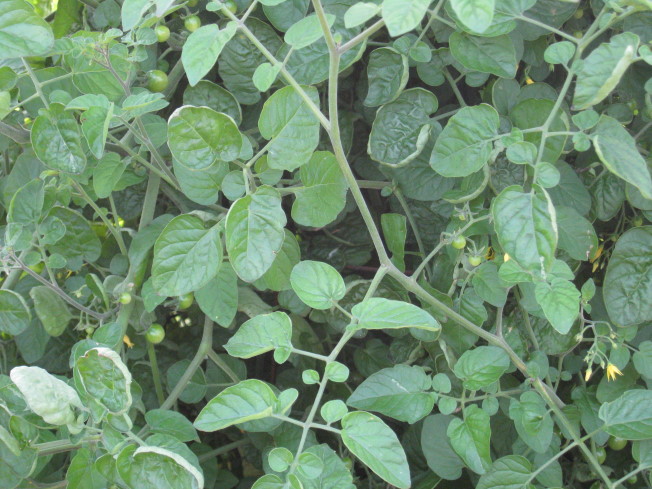
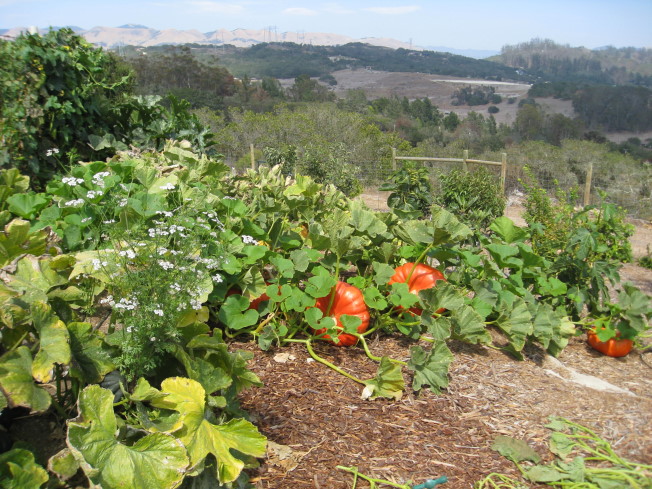
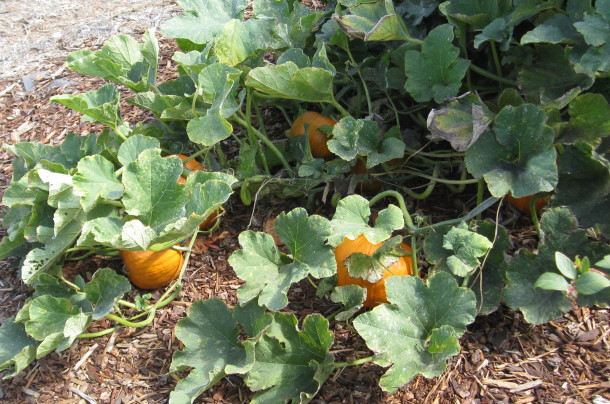
The pumpkins are again prolific. They average around six pumpkins each and show every intention of doing a lot more than that. Thus the additional growth is being removed. Likewise, some of the excess tomato vine is being trimmed this year. Last year the currant tomato would have taken over the entire bed if it had not been fighting a couple other varieties with the same goal. The goal of side-by-side comparison of tomato varieties is a failure since half the plants got off to such a late start. Plus several of the tomato plants are not doing well — perhaps a fertilizer issue — except that it effects on plant while the neighboring ones seem fine. So for next year, the tomatoes need a better indoor start and the pumpkins should not get planted until mid-June the earliest.
The new red carrot (“Samurai”) from Park’s was horrible. There were two somewhat unappealing pink carrots that were edible. For the most part it was all top growth and where there was something below ground, it was inedible. In fact, a couple that developed were so tough that they could not be cut with the kitchen knife.
The initial crop of cantaloupes has been more baseball size than the expected softball size. Perhaps the enthusiastic growth of the pumpkins in the same bed resulted in a negative impact on the less vigorous melons.
 The initial plantings of corn have come in without any worms, but the ants and aphids continue to climb the stalks. Later plantings failed to germinate well enough and survive the birds, so there will be a pause in the corn harvest before later plantings are ready.
Some of the early crops – Spinach, peas and scallions were past their prime and pulled, along with the beans. Additional seeds have been planted and we should manage a second crop before the weather gets too cool.
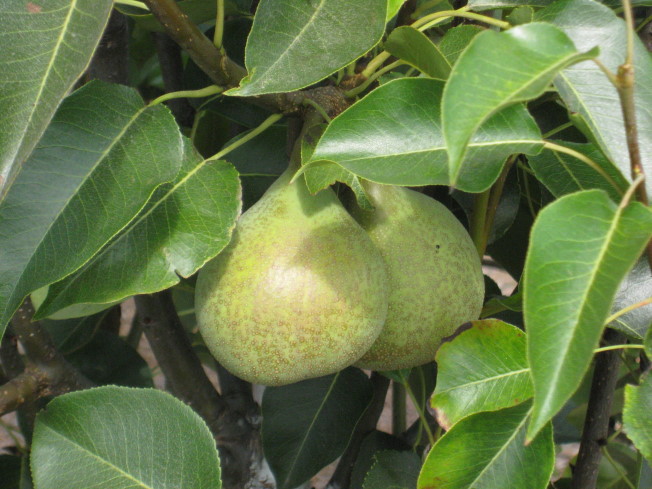
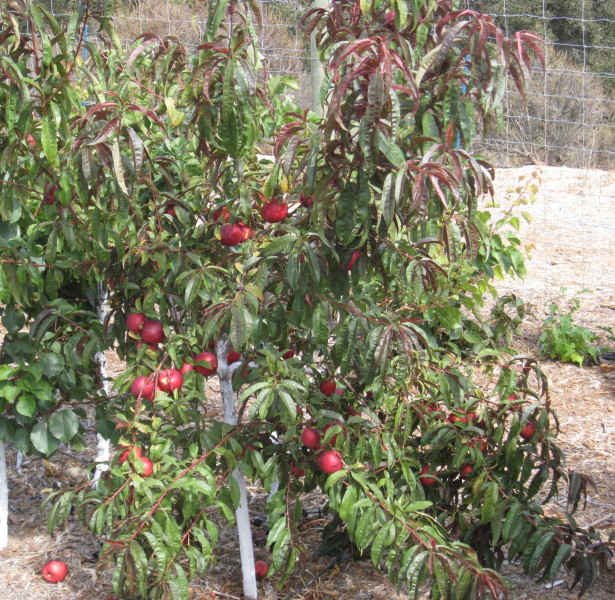
The blackberry harvest has been more than enough for eating fresh. There was enough for one batch of jam, a couple of pies and several other baked deserts so far. The raspberries probably need another year before they are doing that much. At present, just enough to taste. Meanwhile, there has been an assortment of fruit from the orchard. Several of the trees planted last year have produced a respectable crop despite the odd winter (lack thereof). Even a few of the trees planted this winter provided a handful of fruit. The only tree in the orchard this year that appears to have more than enough for a batch or two canned to be enjoyed over the fall and winter months is the nectaplum ‘Spice Zee’ which is loaded with fruit. It also lives up to its marketing description with respect to taste — very sweet.
Ants and aphids continue to be significant garden pests. I suspect that a reduction in the ant population would make the aphids less of a nuisance. There have been a few signs of gophers, but not a lot of luck catching them. The wire under the veggie beds is working and the chicken wire baskets around the trees and berries have been pretty good at limiting the impact of gophers. There haven’t been a lot of insect pests and there have been lots of honeybees — quite a change from a couple years ago.
And of course I already have ideas for improvements next year. It will take at least a couple more years of learning experiences and resulting changes.

 Our current garden does not have much in the way of cutting flowers. The nasturtiums and marigolds tucked in around the veggies have short stems. However, on occasion, the modest blooms of some of the herbs can make a respectable bouquet. In this case, the daisy like flowers are from feverfew. A couple sprigs of lemon verbena provide tall spikes. The umbrella clusters of yellow flowers are fennel.